Dairy-Free Lemon Blueberry Muffins

Recently we discovered that one of my daughters is lactose-intolerant, and have been modifying our cooking and baking to accommodate her. Avoiding the stomach aches, headaches, and general bad moods that follow her consuming dairy make the extra effort worth it. This morning we turned a classic lemon loaf recipe by Jean Paré (author of the Company’s Coming series) into moist dairy-free muffins that were great for breakfast. 


Ingredients:

Wet:

1/2 cup Vegan Becel margarine

2/3 cup granulated sugar

2 eggs

1/2 cup original almond milk

2 tbsp lemon juice 

Dry:

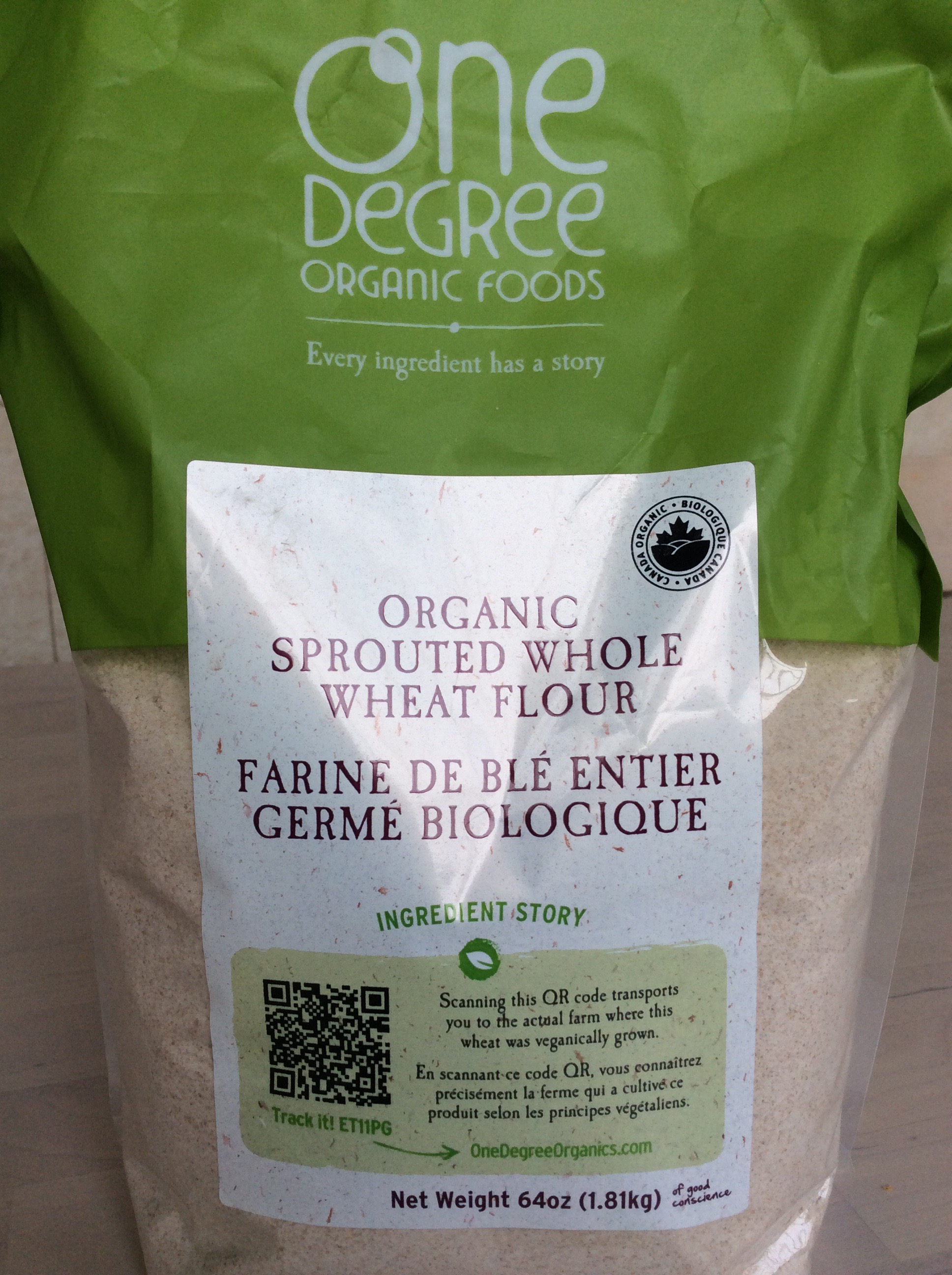
1 cup sprouted whole wheat flour 

1/2 cup white flour

1 tsp baking soda

 1/2 tsp salt

Grated rind of one lemon

Optional: a handful of blueberries. 


Instructions: Mix wet, mix dry, mix together gently until flour just blended in. Spray muffins tins with oil and scoop in the 12 muffins. Since half my kids like blueberries, and half not, I just stuck about 5-7 blueberries in the top of half the muffins, and left the others just lemon. 

Bake at 350 C for 18 minutes or until golden brown. 

Mix juice of one lemon with 2tbsp white sugar until dissolved. Slowly pour a little lemon glaze on each muffin and let sit a few minutes.

The muffins were nice and tender, and had a bit the texture of cornmeal muffins, likely due to the sprouted whole wheat flour. Enjoy for breakfast or afternoon snack with coffee, tea or juice! 

Every “No” is also a “Yes”

Many people struggle with saying “no.” It is so hard to disappoint people, to imagine letting them down. It feels easier to take on added stress than to refuse someone and upset them. But this attitude can lead to burnout and resentment, and endanger the peace and well-being of the person giving. Boundaries are necessary to protect these things, and having healthy boundaries means being able to say “no” without excessive guilt or worry. 

Perhaps reframing things would be helpful to those who struggle with saying “no.” Within each situation where something is refused, another positive thing is chosen. Saying “no” to taking on an extra work project over the weekend means saying “yes” to quality time with your family. Saying “no” to joining an extra committee means saying “yes” to being able to take care of your own work and family, without getting so frazzled and stressed. Saying “no” to that late night movie means saying “yes” to gettting the rest you need. Every decision involves discerning and affirming your priorities. Decisions are a way to say “yes” to the life you wish to live…and that life requires the boundary of various “no’s” to maintain it. 

I think the key, which I am trying to learn myself, is to allow yourself to say “no” calmly, without the guilt or worry that can lead to harshness or sarcasm in order to protect the fragile boundaries around yourself. It is ok, and even necessary and good to take care of yourself and make sure that whatever you do give is given freely, with a cheerful and generous heart. We need to give this good example to our children and those around us. Love can only be given freely, and that means also having the freedom to say “no.”


Many of these helpful ideas are found in the book Boundaries: When to say Yes, How to say No, to take Control of your Life by psychologists Dr.’s Cloud and Townsend. I believe I have written about this book before because I found it so eye-opening and transformative. After discussing boundaries with various people– family, spouses, children, co-workers, etc– the book ends with various tips and questions to see how you are growing in your ability to maintain your boundaries. The best quick check for responding to a request was this: if you hesitate to say “yes,” the answer is “no.” You shouldn’t have to force yourself into things because of fear of disappointing others or appearing badly. 

Remember, every “no” is also a “yes”…a “yes” to what you are able to do, what you desire to do, what makes your life better, what helps you feel free. Of course we should practice generosity and strive to live affectionately with those around us, but in the security of knowing that their love for us doesn’t depend on our unconditional “yes” to every request. And hopefully by learning to say “no” with confidence, we will also greatly respect the “no’s” of others, and never receive them with bitterness or resentment. 

8 quick tips for dealing with pregnancy nausea 

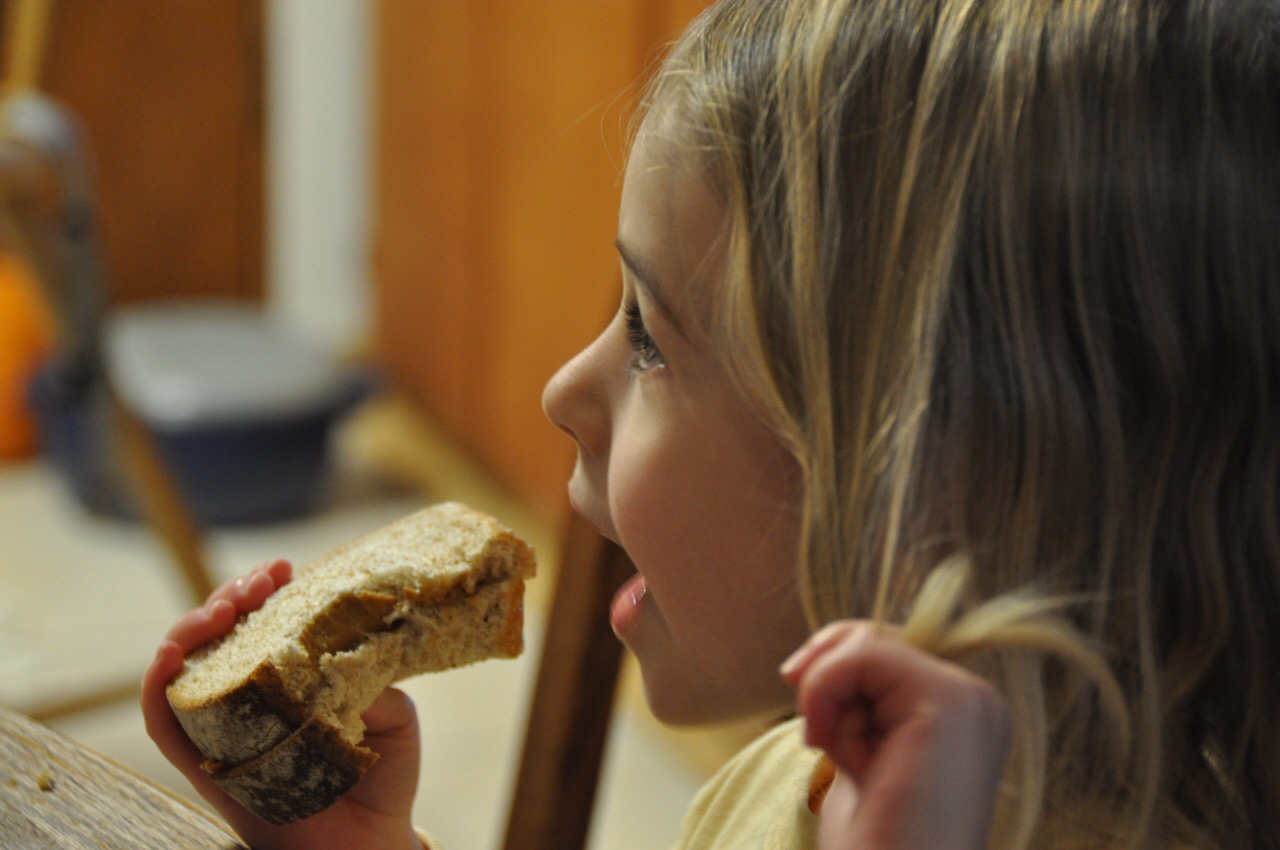
A few of my close girlfriends are expecting, so I thought I’d share my best tips for keeping that queasy tummy under control and minimizing pregnancy nausea. Let’s get you enjoying food again as much as my daughter enjoys her peanut butter sandwich!


1. Eat often. This is key. Small frequent meals help maintain an even blood sugar and prevent those woozy, dizzy crashes and feeling weak. Basically treat yourself like a newborn, and eat every 2-3 hours in the daytime. Things like healthy smoothies, trail mix, cheese and crackers, yogurt and banana, bran muffins, fruit etc. Make sure to have stuff around that you enjoy eating, and seize the moment to cook when you’re feeling ok. Slow cookers are great this way!

2. Eat heartily. Make sure there’s some good fat and protein in what you eat. Healthy is good, but when you’re growing a baby, you need more than salad greens. So have hummus with your veggie sticks, or choose a Greek salad with feta and olives. 

3. Don’t drown your food. Too much liquid sloshing around is a formula for a lost lunch. For me, a hot breakfast sandwich topped by cold juice = 😝!! Instead sip something between meals…like tea with milk and honey, or ginger ale. 

4. Don’t eat and run. There’s nothing like the stress of eating in a rush and running out the door to ensure your panicky stomach will lose its contents. So slow down and savour your food. Remember building a baby is important work!

5. Let you body decide. If you really crave something, and it’s not a clearly forbidden food during pregnancy, like raw sushi, go for it. Don’t be perfectionist when you’re feeling queasy–almost any food is better than no food when you’re growing an entire new person inside! Allow yourself to order in sometimes, or go out. Food someone else prepared can be so much yummier…and new moms need to be ‘mothered’, too! 

6. Say yes to that midnight snack. If you wake up feeling icky, don’t wait for the morning to eat, because you’ll feel even worse. Scramble out of bed and have some cereal and milk, a relaxing tea like Sleepytime, or some toast. Sometimes leftover pizza works, too! Taking care of your tummy now gives you a better chance of feeling decent in the morning, instead of starting the day on a deficit. 

7. Always pack a snack. Makes sure you have easy-grab snacks to throw in your purse when you go out. The last thing you need when you’re getting errands done or taking kids to the park is to feel woozy! Apples, trail mix, muffins, or a healthy bar like Vega One meal replacement bar or Vega Sport. 

8. Try to get more sleep. Exhaustion just aggravates nausea, so getting an extra hour of sleep, or losing it, can make a real difference. If you’re feeling crummy, sometimes a nap is the best way to hit reset and start over again feeling better. If you feel guilty resting (which you shouldn’t!), call a nap by a different name: N. N. A. P. : Neo-Natal Alteration Process (in other words, rest time is baby-growing time!). Good luck! And happy baby baking! 👶