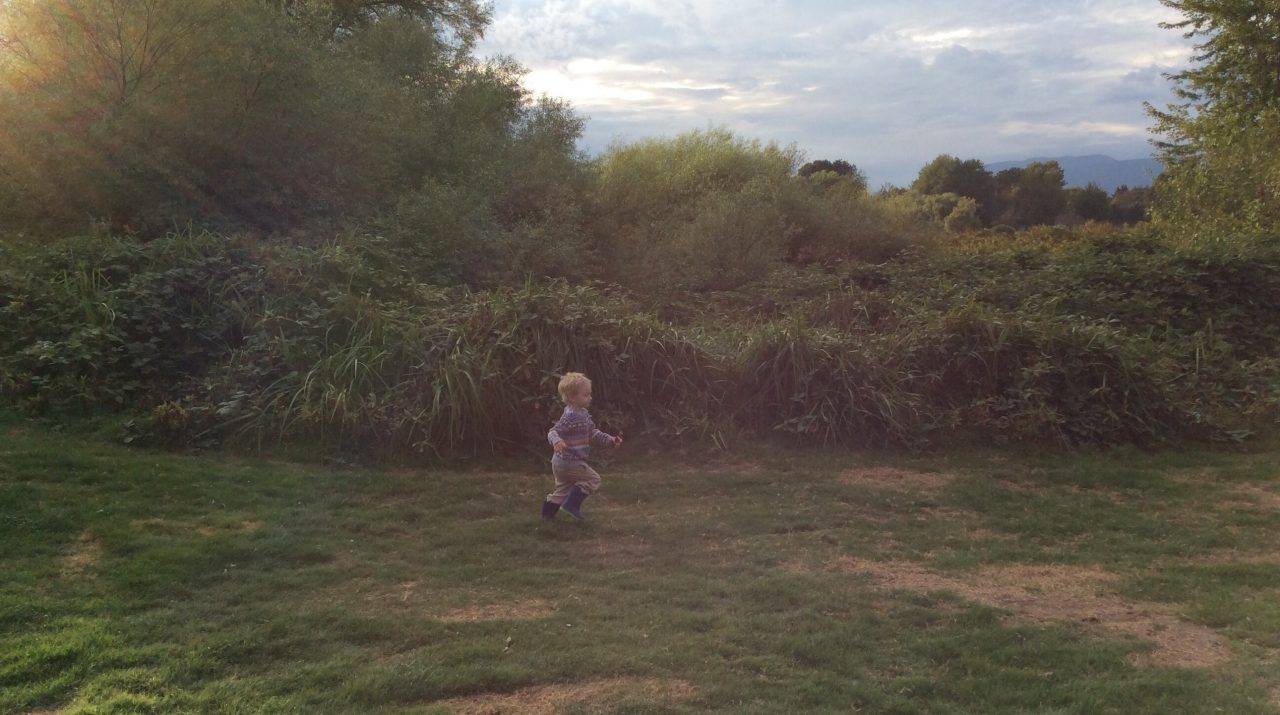
The Persistant Insomniac

Late at night

her eyes are wide open

as two full moons

beaming out in the dark.

Inside fires burn

flames flicker and refuse

the stillness of sleep.


She gets up

grabs her book

a sweater

a snack

and keeps a late night kitchen vigil

with insomnia…

–this date with quiet–

delicious silent solitude.


She feeds her soul

with bread and words,

then rubs her fingers together,

lights the surrounding gloom with sparks

and writes fire!

Homeschool Highlights #1: Getting in the habit.

I am always meaning to write more about homeschooling, and yet I never do. Perhaps this is because I am so busy homeschooling, but still, as homeschooling is one of my passions, I’d like this to change. I’ve been reading Gretchen Rubin’s book “Better than Before” about habit formation, and thinking  a lot about habits…why they are so hard for me to form and how I can change for the better. Rubin says that the first important step to improving our habits is growing in self-knowledge…knowing how we like to work, what we find fun, what we find hard, whether we are morning people or night owls, whether we like to work a little at a time or only under a deadline, etc. She explains that understanding how we respond to expectations (internal or external) helps us know how to tailor our efforts at forming new habits.

As I mentioned in a previous post, she divides people into 4 main categories: Upholder, Questioner, Obliger, and Rebel. After taking her quiz, it seems I’m an Obliger…although one with a streak of Rebel as well…anyway, according to Rubin, Obligers need external accountability to help them follow through with obligations and meet expectations. They are relational and do well with feedback and response to their actions or work. So while the Rebel part of me hates restrictions like deadlines and detailed rules, the Obliger part of me thrives on interaction and encouragement, which help me follow through with plans, even ones I make for myself, like writing more about a particular topic.

Since I have found it hard  (at the end of each busy day) to establish the habit of writing down what the kids do each day in my homeschool journal, I thought it might be more fun to write a weekly homeschool update on my blog instead. This won’t be a perfect “How to Homeschool Fabulously” post, but simply some fun highlights so you can share in our learning journey and maybe get an idea or two to try for yourself. Also you are most welcome to share your ideas or suggestions with me! 🙂 As my favourite Australian blogger puts it, “Comments are like Christmas!” So hopefully now that I’ve told you this (external accountability) and made a weekly plan (scheduling is key says Rubin) I will be more likely to do it than if left in the fuzzy world of “I’d like to sometime…”

Here is one highlight:

Last month we worked on goal setting and planning. We all made a concrete daily goal (like do x amount of math, practice reading a new picture book aloud to Mum, do Language Arts program online, etc) and got to put a sticker on our daily spot when we finished. This really worked for my daughter in grade one, who got so motivated she would read more than one book aloud and get extra stickers. She loved the autonomy of choosing her own book and putting her own sticker on her chart. For her, the more independence the better.

She used the sticker chart system to make a calendar to count down the days until the dentist, because she knew she had a great prize waiting after her appointment. Usually the kids can choose a small gift at the bookstore after dental appointments, but as she had to go back for a filling only two weeks after her checkup, I offered her one bigger prize instead of the two little ones, if she could wait. She agreed choose a magnetic drawing board and waited with eager patience for the dentist appointment. She had her major filling done calmly, eyes fixed firmly on the prize. Being called his favourite and best patient of the day by the dentist was a great added bonus!

Spring Forward

Spring forward–

move the clocks!

Let the daylight stretch into the afternoon

like a sleepy cat

awakening.


But this spring feels late–

the snow lingers in patches,

though sobbed on by rain,

and grimly threatens to return

in mid-March flurries.


One wishes it was weather

more suited for blizzards

from Dairy Queen

but the chill damp air

crushes dreams of summer.


Undaunted we spring forward,

planning spring in our dining room–

filling every ledge and shelftop

with seedlings and sprouting things

baby bok choi and alyssum flowers

peas and beans with their bright green leaves–

tiny banners raised in triumph against the grey.


We are even sprouting an avocado —

its plump brown pit skewered by toothpicks

and half-submerged in water.

Every day I look with delight at the long white root

shooting out like a streak of hope

seeking life.


Spring forward

and if spring won’t leap with you,

give it a push!


“Open Wide Your Hearts”

A few weeks ago I wrote about the importance of emotional connection in marriage. Now I’d like to discuss how deep friendships and a wider support network are also an essential element to personal growth and spiritual wellness.

I feel extremely blessed to have many friends who help me grow in various ways. People who are willing to share their passions and talents and help me expand my horizons in so many areas….from fashion to faith, homeschool, writing, healing from grief, forming better habits and growing in virtue, self-care, intellectual openness and more. All of these people help provide the “atmosphere of growth” author Gretchen Rubin claims is an essential part of happiness. They encourage and support me to become a better me, in ways I certainly couldn’t become alone. And I think it’s meant to be this way…that the company of kindred spirits helps one’s unique talents and beauty shine.

In their insightful book, “How People Grow: What the Bible Reveals about Personal Growth,” authors of the popular “Boundaries” series, Drs Cloud and Townsend, strongly emphasize the need for vulnerable, authentic connection with others. Rather than promoting an individualistic faith that is between God and the person alone, they present the love of other people as the lifeline between our hearts and God’s. Thus healing from deep wounds requires not only intellectual knowledge of God’s grace and forgiveness, but real experiences of the heart. We need to feel His love, and the way we can is through the support and love of other people.

To connect with God’s love, however, we need not only people, but also need our hearts to be available to those people. We have to be open and vulnerable for the grace and acceptance to do any good. Many people “fellowship” with others, but they share so little as they fellowship that nothing happens at the heart level. As Paul told the Corinthians, “We have spoken freely to you, Corinthians, and opened wide our hearts to you. We are not withholding our affection from you, but you are withholding your affection from us. As a fair exchange–I speak to you as my children–open wide your hearts to us also” (2 Cor. 6:11-13). So for growth to occur, it must include experiences where hearts are open with each other. Otherwise, it is just known in someone’s head and never experienced at the levels God has designed. (How People Grow, p.128)

I think we can all relate to the power of a really good “heart to heart” chat with a close friend. Such closeness and sharing can make the unbearable seem possible and restore hope. The loving mercy of a friend who encourages us gives us the strength to not give up and the inspiration to try better, while knowing we are already loved exactly as we are. Receiving this kind of grace requires vulnerability and courage, and can’t be had by hiding and pretending we have it all together.

The point here is that grace can be available to us, but we might not be available to grace. We can be around a lot of acceptance and grace, but until the hurt and guilty places of our heart are exposed, we do not experience grace, and the gap between our head and heart continues.

To confess one’s greatest failures and sins, and then still be embraced with love and encouragement, is to experience the unconditional nature of God’s love. This kind of mercy has the power to be transformative. Deep suffering can break one’s heart open, but if we allow it be be exposed it to the healing love of trustworthy people who will comfort us, it can enable us to grow.

When we lost our baby Josephine, we were immensely supported. We could feel ourselves being held up by the prayers of friends, loved ones, and even strangers who heard our story. We experienced the emotional equivalent of a train wreck, but we got up and kept walking. This is not because of our strength, but because of our acceptance of our weakness…we weren’t afraid to lean hard on others so they could help us up again. To me this was a kind of miracle–a sign of God’s love–lavished on us by so many of His children, all participating in one way or another in the communion of the saints. By this I mean not a club for the ‘saintly’ but a vast family of imperfect people struggling to live with hope and love even in the midst of tragedy.

We experienced this all grace because we were open to it…when in pain my natural tendency is to reach out. Some people shut down and hide. It is hard for the warmth of affection to reach them. Recovery can be much slower, and on top of that, hidden wounds are very lonely.

A dear friend told me once she thought I was brave to be so vulnerable at Josephine’s funeral, letting tears fall as we carried her tiny coffin out of the packed church. Honestly, though, I simply couldn’t help it, but exposing my raw grief enabled others to reach out and comfort me. I could receive their love, and my heart could start to be healed, even as it lay broken and shattered.

I hadn’t really meant to go into all this, but I guess my point is, whatever your suffering, don’t try to do it alone. Let God love you by letting others wrap their arms around you so you can feel His nearness. Stop hiding your face under a protective veneer of pretense, as if huddling under a dark umbrella. Throw it aside and let the rain of grace pour over you and wash away your tears. And with your hands now free, reach out and hold the hands reaching towards you.

Intoxicating Dance

Oh the passionate dance
of a mother in the evening
as you rock and sway
your feverish child
who clings to you with far away eyes
half-open and heavy

Classical music bursts through the darkness
with delicate yearning
and ebullient beauty

How beautiful and terrible
this ballet…
your hands caressing the little one’s back
as you rock and sway
–a living cradle–
an exhausted ark
carried upon the waves
of wakeful nights

And as you dance
you long
for the intoxicating embrace
of sleep
to carry you away like blossoms
floating down a rapid river

Think not of waterfalls
for they come soon enough
dance and dream only of sleep

Dragon’s Breath

Whispy clouds linger in
the vertical mountain valleys–
sooty streaks of smoke
left by dragons
ascending into the
somber sky-dome
and disappearing
with the mountaintops.

$10 Mood Magic

What if for $10 a month you could change your mood…at any point in time…to be more upbeat, nostalgic, joyful, comtemplative…or whatever strikes your fancy? Well, as what happiness expert Gretchen Rubin calls an “underbuyer”–someone who hates to spend money–this is pretty appealing. There’s no way I’d spend $10 a day to boost my mood, but 33c a day…I can handle that..even with my Scottish stinginess.

So what’s this magic I’m referring to? Music! Recently my husband told me that iTunes has a special feature where you can listen to any albums, any time, for any number of times, for $10 a month. You just sign up for an apple music membership, go to the iTunes store music section, and click browse. Then voilá, whatever music appeals to you that moment is yours…and I don’t mean just the 30 second soundbites, but the whole album, uninterrupted.

So I’ve been having fun indulging in highschool nostalgia like the Ally McBeal soundtrack (yup, despire my current memory-lacking mommy brain I still know all the words), college day X-files tunes, and a university favourite, the uplifting Christian singer Chris Rice, as well as classics like the greatest hits of Fleetwood Mac and eclectic things like medieval music for a feast. It’s really fun to see how the kids respond to all this new-to-them music. The way they dance, make up adventures stories and act them out to the music, and generally get down and groovy. When it’s my 15 month old bopping his head, its hilarious!

Wanna check it out? The first three months are free. And while this might seem like an ad, I’m not being paid for this endorsement…I just love it, and honestly, I could only “sell”–in the sense of promote– what I love. My husband loves this gift, which he got for the kids on his birthday (this highly impressed them), because it takes up no room. No piles of CD’s falling over and getting chewed on by the baby!

Apple Music Membership

One other cool feature…it’s so handy for homeschool music appreciation because we can listen to anything, anytime, without having to sift through tons of YouTube videos with ads. Whether it’s music for a First Nations unit study or fun bible songs to sing along with, or that “real castle music” from the middle ages, iTunes has you covered! Let the dancing begin…

Angel Dreams

A little while ago I promised to dig up some of my  old poems and let them escape the confines of my notebooks. Here, in honour of St. Valentine’s Day, is one recalling a date from over a decade ago, when my husband and I were just dating. Enjoy!

Angel Dreams

Sometimes I wonder if
my guardian angel gets tired…
Does she weary of my insistence
of consistently wearing myself out?
The fact that she, too,
gets dragged about by my passions–
late night bus rides and cabs–
holding my hand
and watching my day-weary face,
hours passing like years.

And what does she think
as she broods in her
milky moonlit hammock,
hanging by my window
like a spider
catching dreams.
Does she hear my cry–
torn about by sleepless dreams–
or do her angel thoughts
fade me out?

Does she spend the time I’m sleeping
sewing the names of people I love
into her gown with starlit thread?
That she may be held aloft
buoyant with their love
remembering me as fingers remember lips.

Was she there that time at Rossini’s?
With the live jazz
and James and I gazing at each other
and grinning–
bouncing around in our seats like kids–
so impressed by the wonderful, throaty
wailings and croons of the black singer
we couldn’t help but dance to her voice.

Did she sit, invisible,
at the table beside us
sipping at a mug
of dream-drowsy blueberry tea…
eyes glazed with candle glow…
Or did she hover near the ceiling above us
just watching
and no drinking on the job,
for when God’s your boss
there’s no sneaking,
although there must be
benevolence.

The Importance of Emotional Connection in Marriage

I started reading a fascinating new book called Created for Connection: The “Hold Me Tight” Guide for Christian Couples, which explains the importance of authentic emotional connection in marriage. Maybe this sounds obvious, but what makes it interesting is the application of ideas from attachment parenting to attachment in marriage. Studies found that orphans and widows after World War Two both exemplified similar symptoms of trauma, and had similar needs. Things like emotional connection, stability, warmth, and affection. They needed a reliable, emotionally accessible person to attach to in order to feel safe and able to flourish. Come to think of it, don’t we all?

Absolutely, yes! We were indeed created for connection. We are social beings–made in, for, and to love. We aren’t solitary snow tigers who are happiest prowling the mountain tops alone, glorious in our defiant independence. While we all have a strong need to be ourselves, few of us are called to be ourselves, by ourselves alone…as hermits for example. So while we may value independence and self-reliance as signs of maturity or being “grown-up,” we should question whether they are the sole indicators of true maturity. Well-developed emotional intelligence should reflect our true nature as communal beings, and value connection, empathy and understanding as equally valid signs of maturity. In this view, “to turn to others for emotional support is a sign and source of strength.”

So how does this apply to marriage? The writers of the book, psychologist Dr. Sue Johnson and Emotionally Focussed Therapy trainer Kenneth Sanderfer, who both work as marriage counselors, say that their clients often get trapped in negative cycles of communication…attack and withdraw, verbal dumping and retreating into silence, etc. They call these negative speech patterns the “Demon Dialogues.” Conventional therapy tends to focus on clearing up communication issues and resolving conflict. Although valuable, this approach is actually dealing with the symptoms of marriage crisis (nagging, fighting, withdrawal into silence), rather than the source (lack of emotional connection and fear of abandonment). The authors found that the key to real progress in therapy was getting the spouses to stop accusing and attacking, and open up emotionally to explain how they really felt and what they needed. In short, letting their guard down and being vulnerable.

So instead of a woman accusing:

John always ignores me and goes to his office when he comes home! That’s why I have to nag him…or he won’t do anything to help. I have to do it all.

She could express her fragility:

I am lonely after a long day alone with the kids. What I really need when John comes home is a big hug. I want to feel we are a team and that I am not alone.

And instead of a man complaining:

It’s so stressful coming home. The second I get in the door I am barraged with demands. She does nothing but yell at me. No wonder I try to  escape.

He could admit:

I am tired after work and don’t want to lose my temper and get into a fight. I feel like I can’t do anything right, so I just try to get out of the way. I feel useless and unloved.

This vulnerability allows the other spouse to approach without fear of being pushed away. They are moved to mercy. Once they have the opportunity to comfort and reassure their spouse, they can begin reconnecting emotionally. Spouses who are able to be vulnerable with each other can start strengthening their marriages, and healing their wounds to work towards “emotional and spiritual wholeness.” They can work as friends and not as competitors in a contest of ‘who is the worst spouse.’

Even if you’re not in a marriage crisis, a greater awareness of emotional needs and insecurities underlying common marital tensions can help you draw closer to your spouse. How many times have we projected negative thoughts on our spouse when asking for a favour? How easy is it to not ask for help and then be resentful, or to be afraid to help out in case we do it ‘wrong’? How much drama do we live out in our heads, not realizing that so many negative interactions are the result of misunderstandings? Keeping silent is not always the best way to keep the peace…rather finding good moments to gently and honestly share how we feel or what we need can help us deepen our relationships and give our spouse a better chance to respond to those authentic needs.

I think it’s useful to use the tools from attachment parenting in marriage. When a child is acting up, you assess circumstances (tiredness, overstimulation, hunger, need for reassurance, etc) before responding. We can do the same for our spouse who is grumpy…look at the facts of the situation: “Are they tired or hungry? Are they stressed after a long day of meetings at the office? Or of caring for sick kids? Are they suffering from illness, or grieving a loss of a loved one?” Keeping these things in mind can hopefully help us respond in a way that will help us reassure and reconnect. Perhaps a snack, hug or friendly joke will do more to improve things than entering into their grumpiness or punishing them with silence.

When we feel supported and understood, we are better able to cope with difficult circumstances. Created For Connection mentions studies which find spouses who are well-connected emotionally can cope better with stress and even physical pain. Happy marriages also effect our health by lowering our blood pressure and making us more resilient in recovering from serious health crises like heart attacks. On the flip side, blood tests reveal that the stress of fighting with our spouse has been found to lower our immune system for up to a whole day! So it’s worth it to work on our marriages in little ways every day, and to offer our spouse the same grace and understanding we offer our kids. Instead of wanting our spouse to “grow up and get over it” when they are struggling, we can honour their need for connection and try to provide emotional closeness and affection. We will all be happier for it!

Coffee and Anger: Is there a link?

Have you ever noticed in the morning, after stumbling out of bed and hanging onto your steaming coffee cup as if it were a life saver, that this warm creature comfort has the undesired side effect of making you excessively irritable? I find this is especially the case if I get busy serving the kids breakfast and drink coffee before eating myself. What was meant to help me get going (a big adult soother really) can often make me much more wired and jangley than I would like, and about half hour after coffee, I find myself short-tempered and wound up, especially of we are trying to head out the door.

“Mom!” the kids complain, “Why are you being so grumpy? We are not even being bad!” It’s true…my reactions become disproportionate, and it’s hard to calm down and be cheerful. Why is this?

In his article Why does coffee make some people irritable and others not? Will Wister explains the stress-inducing effects of caffeine.

By stimulating your adrenal glands to produce adrenalin, caffeine puts your body in this “fight-or-flight” state, which is useless while you’re just sitting at your desk. When this adrenal high wears off later, you feel the drop in terms of fatigue, irritability, headache or confusion.

How many of us in our busy world push ourselves beyond our natural abilities by using stimulants like caffeine? “Oh, I’m exhausted but gotta keep truckin’. Guess I’ll have another coffee.” It’s a quick fix…but at what cost? Rather than trying to take a power nap, or eat a healthy meal to give us long-term energy, we grab a cuppa joe and keep racing around. We ignore exhaustion and mask fatigue, ramping up our adrenals as if to deal with constant emergencies.

If I fail to take little breaks to read, pray or put my feet up, I end up frazzled and impatient. Having another coffee to “make it until bedtime” is just a bandaide solution. Real self-care takes more work and more discipline. It is hard to stop and rest when your revolving to-do list is endless. You feel you can’t. The world might fall apart! Or at least the house!

I guess the important question is, do we really get more done by constantly multitasking– never stopping for a break? Or would we benefit from quiet moments of reflection, where we can calmly plan our day, reflect on our life, and redirect it when we are veering off course? I remember a famous doctor saying that his productivity trick was taking quick cat-naps between patients. He knew the magic of doing one thing at a time. There is such a peaceful feeling in focussing on just one thing…and as a mom this is rare unless you’re really intentional about it. Yet it is so necessary to slow down, and get out of panic mode.

Wister’s article describes the long-term effects of stress:

When you are exposed to long periods of stress, your body gives warning signs that something is wrong. These physical, cognitive, emotional, and behavioral signs of stress should not be ignored. They tell you that you need to slow down. If you continue to be stressed and you don’t give your body a break, you are likely to develop health problems. You could also worsen an existing illness. Below are some common warning signs of stress….Anger, anxiety, crying, depression, feeling powerless, frequent mood swings, irritability, loneliness, negative thinking, nervousness, sadness[7]

These are pretty serious!! We are talking crisis level emotions…constantly!

4-up-on-2016-09-02-at-10-19-am-3

If we don’t break down the stress chemicals (e.g. through physical activity) they stay in the blood, preventing us from relaxing. Eventually this results in a permanent state of stress. That initial buzz turns to worry, irritability or panic. Challenges become threats; we doubt our ability to do even simple things and problems appear insurmountable. [8]

My Dad, who is a master herbalist, reminded me that caffeine depletes B vitamins, which are essential for stress management, brain function and a hormone regulation. So we had better replace them! This morning I drank Oasis Green Smoothie (full of B vitamins) and ate my porridge before I had a cup of coffee. Perhaps for long-term depletion, a B vitamin supplement could help, or adding more B vitamin rich foods to your diet. I also like to take the omega-three Evening Primrose oil, which contains fatty acids helpful for mood regulation.

But my Irish temper still matches my red hair far too well! So I think–shocking as this may be for coffee lovers–that I should try to switch to tea for a bit, and see if it helps. My kids are worth it…I don’t want to snap at them so much. Someone said that having a house full of young kids is like living in a constant state of emergency, but I don’t need to make my body think its an even greater emergency than it is by pumping up my adrenals with too much coffee!4-up-on-2016-11-07-at-9-53-am-5-compiled

The other day I got my favorite ever penance in confession. I was mentioning how I get too busy running after the kids sometimes to eat enough, and I know it makes me more prone to grumpiness. So Father advised me to make a point of eating a good lunch, and offering up the sacrifice of taking time to do so. Hurrah! what a great resolution, and one that will benefit everyone. When my step-dad visits and we have a nice early afternoon coffee with real cream, after a solid lunch, I am so much more calm than after a morning coffee with watery almond milk on an empty stomach. Yuck! Eating well makes a difference, and we have to be humble enough to acknowledge our basic needs, and to take care of them. Nobody else can–nobody else can eat, rest, take a nice bath or relax for us. All you moms out there, are you with me? No more surviving on coffee and peanut butter sandwich crusts the kids left behind!